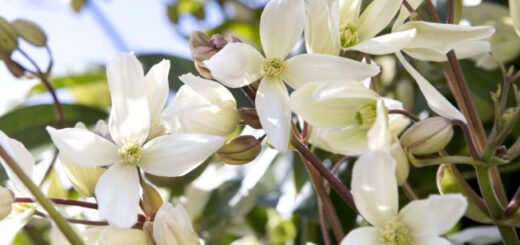
If you are looking to add some summer Fragrant flowers to a patio one good solution is to plant up some small or medium sized pots with one of the following plants
Cistus × purpureus – Rock Rose
Santolina incana – Cotton Lavender
Hebe ‘Midsummer Beauty’
Lavandula angustifolia ‘Munstead’ – Lavender
Lavandula stoechas ‘Fathead’ – Lavender
For all the above plants its a good idea to use a soil based compost such as John Innes number 2 or 3 compost as the soil in the compost will make it easier to maintain the correct moisture content and easier to water in the hotter periods of the summer
Fragrant shrubs suitable for small pots and tubs
March 16th, 2012 · No Comments
→ No CommentsTags: Tim Whitcombe
How to prune a conifer
March 11th, 2012 · No Comments
Firstly if you cut any area back to dead or brown areas these will not regrow. So the way we prune conifers is to cut underneath in the case of spreading conifers and inside in the case of upright conifers.
In the case of upright follow the top stems back inside the conifer and cut back inside the plants structure, then inside tie the out side branches in to the central stems to draw them in to maintain the shape.
→ No CommentsTags: Tim Whitcombe
Care notes for Sweet Pea Perennial (Lathyrus latifolius)
January 24th, 2012 · No Comments
Sweet Pea Perennial (Lathyrus latifolius) In the spring of the first season after planting its recommended to cut back the existing stems by a third if the frost has not made the plant die back to the crown. This will help to create more stems and a plant with more flowers. In the following years the plant is then best left and you will find that when we have hard winters the Sweet Peas will die back naturally. Its also as with all types of sweet pea worth feeding them with liquid tomato feed which contains high levels of potash which will encourage flowering.
→ No CommentsTags: Tim Whitcombe
Algae problems in ponds and water features with no plants
January 24th, 2012 · No Comments
Algae and green water in ponds pond and water features is normally removed from a pond or water feature by a natural balance being achieved by plants and pond life however in a modern style pond with no planting etc Clear water can be achieved by the use of the following additions
1. Milton baby fluid for wster feature with no fish and plants applied every 6 months or as required
2. Barley extract for ponds with a few plants and fish
With regards to the algae forming on the walls below the outlets I suggest you need to paint it with a resin or something like Thompsons water seal.
→ No CommentsTags: Tim Whitcombe
Lemon and organge trees losing leaves
January 21st, 2012 · No Comments
Indoor Lemon and organge trees are evergreen but as will all evergreen plants they lose leaves all year at a steady rate. In addition to this they also increase leaf loss in response to low light levels so you often find that in the UK in the months of November, December and March they loss more leaves. If the plant is healthy the leaves normally regrow as the light levels increase towards the spring.
→ No CommentsTags: Tim Whitcombe
Turfing a weedy area
January 15th, 2012 · No Comments
One of the advantages turf has over seed is that on areas of perennial weed such as nettles, ground elder and brambles turf can be used straight after the area is cleared to create a lawn.
Ideally before clearing the weeds they should be sprayed with Round up weed killer and left for 4 to 6 weeks. However if the weeds are cleared without spraying first they might grow might regrow through the turf but they will not be able to with stand the contestant weekly or fortnightly cutting a lawn receives.
The best time to turf is in the spring or the autumn to allow the new turf to create some roots before the weather turns warm
→ No CommentsTags: Tim Whitcombe
Red spider mite on indoor lemon trees
January 15th, 2012 · No Comments
Indoor lemon and organge trees often suffer from red spider mite which is a very small spider like insect that sucks the sap of the plant discolouring the leaves and in some cases causing the leaves to drop.The red spider mite is hard to see with the naked eye often the first sighs that appear is the damage, the best solution is to treat with Provado systemic insectiside
http://www.bayergarden.co.uk/products/product.aspx?productid=178&categoryid=13
We recommend for it to be applied as a spray or watered into the compost in the plants pot were it is taken up by the roots .Apply it three times over 4 weeks. This should solve the problem
→ No CommentsTags: Tim Whitcombe
Reducing a Privet or yew Hedge
January 13th, 2012 · No Comments
Both Privet or yew Hedge can be reduced quite drastically and if care for following the reduction they will recover from dormant buds in the stems.
The reduction in the height is achieved by cutting back the hedges to the height required and then cutting back by a further 150 mm this is to allow for new growth.
To reduce the width prune back one side at a time allowing that side to recover before pruning back the other side of the hedge. In both the cases of yew and privet both can be cut back to the original central stems and will produce new growth from dormant buds in the stem to form a new hedge on that side. Its important once the hedge is cut back to water it well through the spring and summer months and feed it with a standard garden feed such as growmore, this will help to speed up the recovery
→ No CommentsTags: Tim Whitcombe
Replacing a leylandii hedge (Cupressocyparis Leylandii)
January 12th, 2012 · No Comments
Because of disease or simple old age over the next 5 years as many as 750,000 leylandii (Cupressocyparis Leylandii) hedges will need to be replaced in the UK.
With climate change and disease it will not be advisable to plant replant with leylandii. Some more suitable quick growing hedging plants are
Laurel (Prunus laurocerasus Rotundifolia)
Photinia Red Robin (photinia x fraseri)
Oleaster Hedging (Elaeagnus x ebbingei)
Green Holly, Ilex aquifolium
and for a very fast growing alternative you should consider bamboo
When replanting into soil formally used for growing leylandii its critical to replenish the soil with humists in the form of organic matter such as garden compost or well rotted farm yard or horse manure. Ideally digging in a barrow full or quarter of a cubic meter per meter square of soil area. The reason is that leylandii hedges grow so quickly they tend to remove all the organic mater within a soil and de-structure it. Also depending on the replacement hedging plant you might need to add garden lime as the leylandii tend to make the soil quite acid with the material dropped by the leylandii over a number of years.
→ No CommentsTags: Tim Whitcombe
Garden composting tips
January 11th, 2012 · No Comments
Question:
1) Should I chop up the vegetable scraps before throwing on the compost pile?
Ideally you should break up the vegetable scraps before composting them, this will help the quicker breakdown.
2) What type of accelerant would you recommend?
As an accelerant any basic garden fertilizer will do the trick, its just a matter of feeding the bacteria that is going to break down the organic mater.
3) How can I tell when the compost is ready for the vegetable garden?
The compost when ready will start to loss its temperature and break up into small particles.
4) How should I proceed in the winter months?
The key to composting in the winter is to keep it warm my covering the compost with a sheet or old carpet.
The keys with composting are the keep it moist and not to wet by controling the water content, use a garden fertilizer to keep the bacteria that are breaking down the compost well feed, control the temperature by insulation in the winter and watering in the summer. Finally make sure the compost stack or container allows the movement of air to aid the break down of the compost.
→ No CommentsTags: Tim Whitcombe
Slugs entering your conservatory or house
January 11th, 2012 · No Comments
slugs entering your conservatory or house, one
method to prevent them entering your a conservatory or house is to use a
copper tape in the door ways steps and drain pipes ideally using it on the
outside and inside. The copper tape creates a barrier the slug find
difficult to cross
For further information click here
→ No CommentsTags: Tim Whitcombe
How to treat Algae on patios and walls
January 11th, 2012 · No Comments
Then patios and walls become green in the winter months is normally a build up of green algae on your patios and stone work etc we normally treat these areas with jeyes fluid two caps fulls to a gallon in the early autumn and the spring this keep the areas free from the algae and also stops the areas such as stone patios becoming to slippy. For Areas that are heavy covered in algae ( i.e green stuff ) flowers of sulphur mixed with water and applied with a watering can.
Flowers of sulphur can be obtained from garden direct
→ No CommentsTags: Tim Whitcombe
Fungus in your raised vegetable beds
January 9th, 2012 · No Comments
Fungus as toadstools or mushrooms in your raised beds normally is not a problem and should not do the vegetables or you any harm. Most raised beds are filled with soil and compost or some other form of organic mater which is broken down by a number of elements including fungus, most of the time you do not see the fungus as it all happens under ground but when the conditions are right the fungus will produce fruiting bodies with are the mushroom and toadstools you see. So in general its a good thing to see some mushrooms/ toad stools in your raised beds as the organic mater is being broken down which in turn will release natural nutrients to the vegetables
→ No CommentsTags: Tim Whitcombe
How to improve sandy soils
January 9th, 2012 · No Comments
How to improve sandy soils the solution is to add loads of organic matter such as well rotted compost or farm yard or horse manure or ideally spent mushroom compost thats been used to grow mushrooms in and is a bye product of this process.
The reason spent mushroom compost is ideal is that it contains lots of chalk with counteracts the acidity of the sandy soil, in the case of the other options about i.e horse manure etc this is often quite acid to start with so its ideal to add some lime when adding to a sandy soil.
The organic matter has the effect of adding humists to the soil that help retain water and increase organic mycoryzia activity in the soil which adds the plants.
→ No CommentsTags: Tim Whitcombe
overwintered begonias & dalias
January 9th, 2012 · No Comments
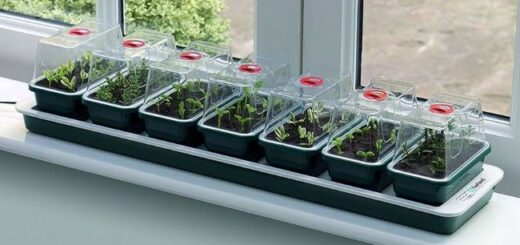
Now in Early January is a good time to start some of your summer flowers especially with new or your overwintered begonias & dalias plus sweet peas from seed.
Getting these plants started now will insure a colourful start to the summer season in the coming year.
With begonias & dalias place the corns in a light open compost in small 75mm pots and place them on a cool windowsill in your house or a heated glasshouse. Water lightly so the compost becomes damp but not to wet and within a few weeks you should see the new shoots starting to appear
Then the plants are about 60 to 80 mm high pot them into larger 150mm half pots such as the type used for pot mum plants. Ideally this time using a john inness number 2 compost and grow the plants on a window sill or heated glass hourse.
As the plants grow they can also be pinched out to remove the top shoots to create a bushier plant and to provide new softwood cutting materials.
With the sweet peas – Chit the seeds by nicking the seed coat with a knife or soak in water for 12hrs, this will speed germination.
Sow in boxes or pans approx twice the size of the seed deep, in seed compost Sept or March, at temp of 16 degrees C
(61 deg F). Pot on the seedlings into 3? pots with potting compost. Grow on, pinching out the growing tip when approx 4? high.
Harden off Sept sown plants in a cold frame in April, March sown plants in a frame, May.
→ No CommentsTags: Tim Whitcombe
Retaining walls
January 9th, 2012 · No Comments
With retaining walls there are a number of methods bu which they can be built But the key is to remember that you are in effect retaing the soil and the water within the soil. Most retaining walls fail because they do not have the proper drainage behind them so this is the first consideration.
The type of retaining wall can be simple railway sleepers ( the cheapest and easiest to build ) , Block walling faced of with dry stone face to loom like a dry stone wall , round timbers placed to form a a wall and finally a rock garden on a slope to act as a retaining bank.
→ No CommentsTags: Tim Whitcombe
How to prune Hydrangeas
October 21st, 2011 · No Comments
Pruning Hydrangeas – most species do not require regular pruning other than the removal of last seasons flower heads. Resist the temptation to do this until after the risk of Spring frosts has passed. Remove any dead, damaged or weak wood as found.
The exceptions are; Hydrangea arborescens and H. paniculata, cut back last seasons flowering shoots by half in March.
H. macrophylla, thin out to ground level 2 – 3yr flower shoots in March.
→ No CommentsTags: Tim Whitcombe
Sweet peas from Seed
October 21st, 2011 · No Comments
Sweet peas from seed – Chit the seeds by nicking the seed coat with a knife or soak in water for 12hrs, this will speed germination.
Sow in boxes or pans approx twice the size of the seed deep, in seed compost Sept or March, at temp of 16 degrees C
(61 deg F). Pot on the seedlings into 3″ pots with potting compost. Grow on, pinching out the growing tip when approx 4″ high.
Harden off Sept sown plants in a cold frame in April, March sown plants in a frame, May.
→ No CommentsTags: Tim Whitcombe
Pruning overgrown Forsythia and Buddliea
October 21st, 2011 · No Comments
Cut down to approx 30cm from ground level in Feb/Mar, you can reduce the bulk of the plant now by approx 1/3rd along with any deadwood as found to ground level or live wood. If there are any retain able shoots of last years growth on the Forsythia, leave them intact to produce flower for next season. As the new framework develops the Buddliea can be pruned back hard every year, Feb/Mar. The Forsythia needs to be pruned after flowering, removing the flower wood and retaining the current seasons growth for next seasons flower. Both species can be pruned to shape as required throughout the season.
→ No CommentsTags: Tim Whitcombe
Using Sawdust As A Source Of Organic Matter For Soil Or As Mulch
September 23rd, 2011 · No Comments
Saw dust would not be a good choice, especially for a mulch, as it will blow away in the summer and get too wet in the winter by holding the water.
In the soil as a source of ogranic matter, it will take a lot of the nutrients out as the bacteria try to break it down. This is because of the fibres in the wood which goes to make up the sawdust.
Your best solution would be to compost it for 2 years and then use it as organic matter for your soil.
If you wish to start gardening or get more out of your gardening then Sign Up for our Free 14 Day Trial of our MyGardenTeam Service.This service provides you with your very own Gardening expert from the GardenAdvice staff, that are trained to assist you with achieving your ultimate gardening dreams.The service includes advice, online diaries, calendars and even garden advisor visits if you need them. For further information: Click Here